What to know about Earls Court gardeners for tiny courtyards SW5
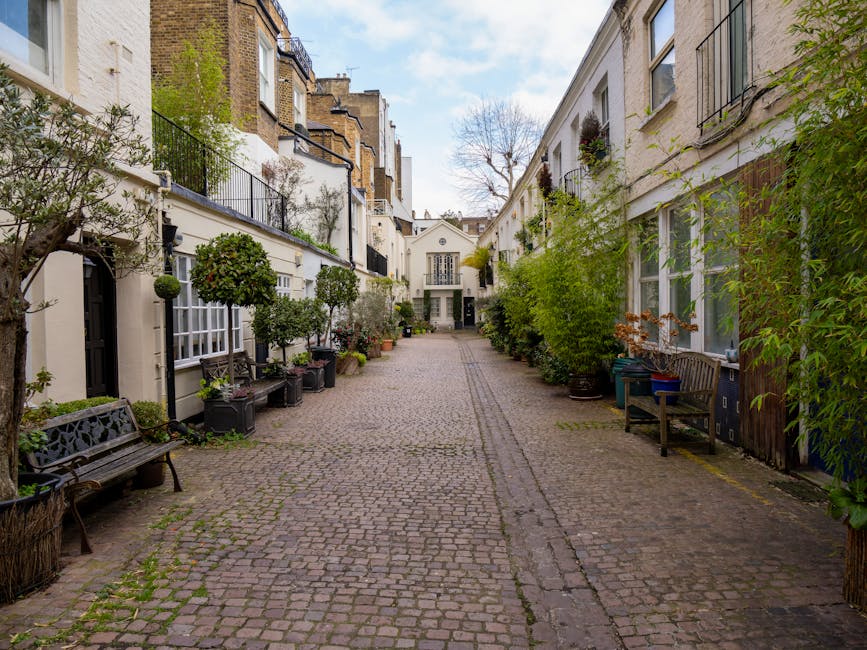
If you've got a tiny courtyard in Earls Court, you already know the odd little challenges that come with it: a shaded corner that never quite dries, a cramped layout that makes every pot placement feel like a puzzle, and a space that can look tired fast if it's not cared for properly. That's exactly why understanding What to know about Earls Court gardeners for tiny courtyards SW5 matters. The right gardener can make a compact outdoor space feel calmer, neater, and genuinely worth using, even if it's only big enough for a chair, a few planters, and one stubborn plant that insists on sulking.
This guide breaks down what local gardeners actually do for small courtyards, what to look for, how the process works, and the mistakes that tend to waste time and money. We'll also cover practical choices, local expectations, and a few quiet details that make all the difference in a tight London garden.
Why What to know about Earls Court gardeners for tiny courtyards SW5 Matters
Tiny courtyards are a different breed of garden. They don't have the forgiving scale of a big back garden, so every choice matters more. In Earls Court, that often means dealing with narrow access, neighbouring windows, shared walls, limited sunlight, and surfaces that can become slippery or scruffy quicker than you'd expect. A small space can look polished one week and a bit neglected the next. Bit annoying, really.
That's why specialist local gardeners are useful. They tend to understand what works in compact SW5 spaces: plants that don't sprawl endlessly, maintenance routines that keep the space tidy without overworking it, and layouts that make a courtyard feel open rather than boxed in. They're also more likely to be realistic about what can and can't happen in a tight footprint. That honesty is valuable. You don't want someone promising a mini oasis and then leaving you with three crowded pots and nowhere to step.
There's also a practical side. Small courtyards often sit right outside kitchens, basement flats, or reception rooms, so they affect how the home feels every day. If the space is overgrown, muddy, or badly arranged, you notice it every time you open the door. If it's well managed, the whole place feels brighter. You can hear the difference too; a tidy courtyard tends to feel quieter somehow, less cluttered to the eye and mind.
For many residents, the aim is not a grand redesign. It's control, neatness, and a bit of breathing space. And yes, that's more than enough.
How What to know about Earls Court gardeners for tiny courtyards SW5 Works
In practice, working with a gardener for a tiny courtyard usually starts with a simple assessment. They look at access, light levels, drainage, paving condition, existing planting, and how you want to use the space. A courtyard used for morning coffee needs a different setup from one that's mostly decorative or one that has to survive with very little sunlight.
The work itself can range from a one-off refresh to regular maintenance. In many cases, the job is a mix of pruning, clearing, replanting, tidying edges, checking containers, and keeping pathways safe and clean. For the smallest spaces, the best work often comes from restraint rather than heavy intervention. A good gardener won't just "do more"; they'll do the right amount.
That might include a few practical changes such as:
- swapping oversized containers for slimmer, better-proportioned planters
- using vertical planting to free up floor space
- choosing shade-tolerant or drought-tolerant plants, depending on conditions
- trimming back awkward growth that blocks light or access
- improving drainage where water pools after rain
- setting a maintenance rhythm so the space doesn't slide back into disorder
A lot of people assume a tiny courtyard needs less expertise because it's small. In reality, the opposite can be true. Small spaces magnify mistakes. A pot in the wrong place can block a doorway. One poor plant choice can dominate the whole garden. One missed patch of moss on paving can make the area feel grubby. Not dramatic, but noticeable. Very noticeable.
If you want a broader sense of what a local provider can cover, a page like services overview is useful for understanding how different garden tasks fit together before you decide what level of help you need.
Key Benefits and Practical Advantages
The biggest benefit is simple: a tiny courtyard becomes easier to live with. But the good outcomes run deeper than that. When a small outdoor space is cared for properly, it can feel like an extension of the home rather than an awkward afterthought.
Here's what good courtyard gardening usually improves:
- Usability: You can actually move around the space without dodging overgrowth or pots in the wrong place.
- Appearance: The courtyard looks intentional, not abandoned.
- Plant health: Better pruning, watering, and spacing reduce stress on plants.
- Light flow: Careful trimming and layout can make a small area feel brighter.
- Safety: Cleaner paving and tidier surfaces help reduce slips and trip hazards.
- Property feel: Even modest improvements can make flats and townhouses feel more cared for overall.
There's also a psychological benefit that people don't always mention. A well-kept courtyard is easier to enjoy. You're more likely to step outside with a cup of tea, air the room, or leave the door open on a mild morning. Those small moments add up. They really do.
For landlords, property managers, or homeowners preparing a flat for sale or rent, the visual payoff can be especially useful. Tiny courtyards are often one of the first outdoor areas a viewer sees, so a tidy, attractive finish can make a stronger impression than the square footage suggests.
Who This Is For and When It Makes Sense
This kind of service makes sense for a few different people in SW5.
You may need a gardener for a tiny courtyard if you:
- have a courtyard that feels cluttered, shaded, or hard to maintain
- want a more polished outdoor area without a full redesign
- have limited time and don't want garden upkeep becoming a monthly headache
- own or manage a rental flat and need the outdoor space to look presentable
- have plant damage, moss, weeds, or drainage issues building up
- want advice on layout, planting, or container choices for a small footprint
It also makes sense when the courtyard has become one of those spaces you stop seeing. You know the type. A few tired pots, a patch of moss, maybe a broken trellis, and suddenly the whole area feels smaller than it really is. A proper tidy-up can reset that feeling quickly.
On the other hand, if you're hoping for a dramatic transformation but the space is extremely limited, it helps to be realistic. A good gardener can make a courtyard work harder, but they can't turn four square metres into a country estate. Wouldn't that be nice though?
If your main issue is access, timing, or a quick turnaround near the station or surrounding streets, local providers who handle compact residential jobs often understand the pace better. That can matter more than people think, especially in busy parts of London. A practical example can be found in this local read on quick booking for flats near Earls Court Station, which reflects the kind of fast-moving, space-limited jobs many residents need.
Step-by-Step Guidance
If you're deciding how to approach a tiny courtyard, it helps to think in steps rather than rushing straight into planting. Small spaces reward planning. A little patience goes a long way.
- Start with a clear brief. Decide whether you want maintenance, a refresh, planting help, or a full redesign. A vague "make it better" is fair enough as a starting point, but the more specific you are, the better the outcome.
- Measure the space properly. Even rough dimensions help. A courtyard that looks generous in photos can feel very different once a bin, a bike, or a door swing comes into play.
- Check the light and drainage. Note where sun reaches during the day, where water sits after rain, and which corners stay damp. That shapes plant choice and hard landscaping decisions.
- Review existing problems. Look for cracked pots, unstable edging, weeds in joints, moss, poor soil, dead plants, or furniture that makes movement awkward.
- Prioritise the finish you want. Do you want lush and leafy, clean and minimal, or practical and easy-care? Each approach needs different materials and plant choices.
- Ask how maintenance will work after the initial visit. A courtyard often looks its best right after a refresh. The real question is whether it will stay that way with light, regular upkeep.
- Book a follow-up schedule if needed. For tiny spaces, smaller and more frequent visits can work better than one big seasonal overhaul.
A tiny courtyard is a bit like a small room indoors. If the layout is off, you feel it every day. If the layout is right, the whole thing relaxes. That's the real goal.
Expert Tips for Better Results
Small courtyards are unforgiving, so the best results usually come from disciplined choices rather than lots of them. Here are the things experienced gardeners tend to pay attention to.
1. Use vertical space carefully.
Walls, trellis, and narrow shelving can help, but don't cram every surface. Leave some breathing room. In a tiny courtyard, blank space is not wasted space.
2. Choose plant shapes, not just plant names.
People often ask for a plant by name, but shape matters just as much. Upright, compact, or trailing forms can change how the courtyard feels far more than a random mix of pretty plants.
3. Keep pathways visually simple.
Too many materials can make a small area feel chopped up. A clearer floor surface usually makes the courtyard seem bigger. Less busy, less fuss.
4. Treat containers as design pieces.
Mismatch is the enemy here. A courtyard full of random pots can look accidental, even if the plants are healthy. Matching or coordinating containers creates calm.
5. Think about watering habits honestly.
If you don't enjoy frequent watering, tell the gardener. Some courtyard schemes are beautiful but thirsty. Others are more forgiving. Be fair to yourself; no one needs a lush display that turns into a guilt project.
6. Consider scent and seasonality.
A small space can carry fragrance well. Even one or two well-placed scented plants can make the whole courtyard feel more special, especially in the evening after a warm day.
7. Keep maintenance realistic.
Truth be told, the best tiny courtyard is one you can actually keep up. A simple, reliable scheme beats a complicated one that needs constant rescue.
If you know you'll want a broader service mix, many courtyard jobs can sit alongside ongoing garden maintenance, which is often the most practical way to keep a compact space looking good without starting from scratch each time.
Common Mistakes to Avoid
A lot of tiny courtyard problems come from good intentions. People buy too many plants, pick the wrong sizes, or try to fill every corner immediately. The result? A space that feels tighter, not better.
- Overplanting: Filling every inch leaves no room for growth, cleaning, or movement.
- Ignoring access: If a gardener can't reach a corner easily, upkeep becomes awkward from day one.
- Choosing thirsty plants for a low-maintenance plan: That usually ends in frustration.
- Forgetting drainage: Waterlogged containers or pooling paving can ruin the feel of the space.
- Using too many materials: A crowded mix of stone, gravel, timber, and random pots can feel visually noisy.
- Skipping routine tidy-ups: Tiny spaces show neglect quickly. A few weeds can look like a bigger problem than they are.
- Not considering neighbours: Climbing plants, overhanging growth, and shared boundaries need a bit of care and common sense.
One subtle mistake is trying to make a small courtyard look like a larger garden. It sounds strange, but the best small courtyards usually embrace their size. They feel deliberate. Calm. Managed. That's more effective than pretending the space is something it isn't.
Tools, Resources and Recommendations
You don't need a shed full of equipment to manage a tiny courtyard well, but you do need the right basics. A knowledgeable gardener will usually arrive with tools suited to tight access and precise work rather than heavy machinery. That matters in a small SW5 space where every movement counts.
| Need | Useful approach | Why it helps in a tiny courtyard |
|---|---|---|
| Routine upkeep | Light, regular garden maintenance | Stops a small space from becoming cluttered or overgrown |
| Overgrown edges or clutter | Targeted clearing or garden clearance | Restores usable space quickly without unnecessary disruption |
| Plant boundaries or screening | Careful hedge trimming or structured pruning | Keeps growth under control and preserves light |
| Hard surface refresh | Cleaning, tidying, and minor landscaping | Makes the courtyard look cleaner and more finished |
| Layout changes | Small-scale landscaping or planting redesign | Improves flow without overwhelming the footprint |
For broader tasks, it helps to know which service fits which problem. If a courtyard is packed with old pots, broken planters, or tangled growth, garden clearance may be the sensible first step. If the space needs structure or a more considered layout, landscape gardening or landscaping may be the better route.
For surfaces and built features, some courtyards benefit from smarter use of timber or raised details. In the right setting, decking services can help create a usable, cleaner-feeling zone, though it's not the answer for every small space. If the main issue is simply keeping things neat, a lighter-touch visit is often enough.
It's also worth considering sustainability. Small courtyards can generate less waste than bigger gardens, but plant pots, soil, trimmings, and old materials still need handling properly. A page like recycling and sustainability gives a useful idea of how responsible garden waste handling fits into the job.
Law, Compliance, Standards, or Best Practice
For most tiny courtyard jobs in Earls Court, there isn't a heavy layer of legal complexity, but there are still sensible standards and good practice points to bear in mind. A trustworthy gardener should work safely, respect boundaries, and avoid causing damage to shared or neighbouring property.
Key things to expect in practice:
- Safe working methods: Tools should be used carefully, especially where access is tight or surfaces are slippery.
- Respect for shared spaces: In terrace or basement settings, garden work often sits close to fences, walls, or communal areas.
- Insurance and safety awareness: It's sensible to ask how the business approaches safety and liability, particularly for ladders, cutting tools, or heavier work.
- Waste handling: Trimmings and cleared material should be removed or managed responsibly, not just left in bags for later.
- Clear scope of work: Everyone should be on the same page about what's included, what's not, and whether follow-up visits are planned.
If you are comparing providers, it's reasonable to ask about their insurance and safety approach, as well as their health and safety policy. That's not being difficult. It's sensible. Small spaces can be awkward, and a good professional will understand why you want reassurance.
For pricing expectations, it's usually better to request a tailored quote than to rely on rough assumptions. The scope of work, access, and condition of the courtyard can change the job quite a bit. A straightforward way to start is with the site's pricing and quotes information, then use that to guide your next conversation.
Options, Methods, or Comparison Table
Not every tiny courtyard needs the same level of service. Some need a quick reset. Others need more thoughtful reshaping. Here's a simple comparison to help you decide what fits best.
| Option | Best for | Main advantage | Watch-outs |
|---|---|---|---|
| One-off tidy and prune | Courtyards that have simply got messy | Fast, cost-conscious, good for a reset | May need repeat visits to stay tidy |
| Ongoing maintenance | Spaces used regularly or seen by visitors | Consistent presentation and healthier plants | Requires a recurring budget and schedule |
| Partial redesign | Courtyards with poor layout or plant choice | Better flow, better use of space | Needs clearer planning and may take longer |
| Clearance first, then redesign | Overcrowded or neglected spaces | Lets you start fresh and avoid compounding problems | More work upfront |
Most people with tiny courtyards end up choosing one of the first two. That's normal. You don't always need a big redesign; sometimes the right answer is simply to keep the space under control and let it breathe a bit.
Case Study or Real-World Example
Take a typical Earls Court courtyard behind a lower-ground flat: about the size of a small room, shaded for much of the day, with a mix of tired container plants, some moss on the paving, and a trellis that had grown into a bit of a jungle. Nothing dramatic, just one of those spaces that slowly loses its shape.
The first job was not planting. It was clearing. Dead growth was removed, the containers were thinned out, and the paving was cleaned so the space stopped feeling damp and crowded. After that, the layout was simplified: fewer pots, narrower planters, and climbing growth tied in more neatly rather than left to sprawl.
The result was not "luxury rooftop retreat" territory. Let's not get carried away. But it did become usable again. The flat felt brighter when the doors were open, the courtyard looked intentional, and the owner stopped dreading the view from the kitchen window. That sort of improvement is modest on paper and surprisingly meaningful in daily life.
What made the difference was not a huge budget or a dramatic redesign. It was matching the work to the space. A tiny courtyard needs restraint, observation, and follow-through. Simple, but not easy.
Practical Checklist
Use this checklist before booking a gardener or agreeing a plan for your small courtyard.
- Have you measured the courtyard, even roughly?
- Do you know how much light it gets across the day?
- Is drainage a problem after rain?
- Are there plants you want kept, removed, or replaced?
- Is the space mainly for sitting, visual appeal, storage, or all three?
- Do you need a one-off tidy, regular maintenance, or a redesign?
- Are there access issues such as narrow gates, stairs, or basement entry?
- Do you need help with waste removal or disposal?
- Have you checked whether insurance and safety cover are in place?
- Do you have a realistic idea of how much upkeep you can manage yourself after the work is done?
Quick summary: the best tiny courtyard jobs are clear, simple, and practical. If the brief is vague, the result often is too. If the brief is focused, the whole project usually goes smoother. It's that plain, honestly.
Get a free quote today and see how much you can save.
Conclusion
What to know about Earls Court gardeners for tiny courtyards SW5 comes down to one idea: small spaces need thoughtful, local, space-aware care. The best results usually come from gardeners who understand compact layouts, tricky light, and the reality of living with a courtyard that has to work hard every day. Not just look good once.
If you choose the right approach, a tiny courtyard can become one of the most useful parts of the home. Tidy, calm, easier to manage, and actually pleasant to step into. And in a place like Earls Court, that can make a bigger difference than you'd expect. Sometimes the smallest outdoor spaces end up giving the biggest lift.
When you're ready, start with a clear brief, ask sensible questions, and look for practical experience over big promises. That's usually where the good work starts.
Frequently Asked Questions
What should I expect from Earls Court gardeners for a tiny courtyard?
You should expect a practical assessment first, followed by targeted work that suits the size of the space. That usually means clearing, pruning, tidying, planting advice, and a sensible plan for keeping things manageable.
Can a small courtyard really be made to look better without a full redesign?
Yes, absolutely. Often the biggest improvement comes from simplifying the layout, refreshing containers, trimming back overgrowth, and choosing a cleaner visual arrangement. You don't always need a full transformation.
How often does a tiny courtyard need maintenance?
That depends on the plants, light, and how visible the space is, but many small courtyards benefit from lighter, regular maintenance rather than occasional big visits. A little and often approach works well.
What plants work best in a small Earls Court courtyard?
It depends on the light, but compact, low-maintenance plants are usually a smart starting point. A gardener can help you choose plants that suit shade, partial shade, or brighter spots without swallowing the whole space.
What if my courtyard gets very little sun?
That's common in London courtyards. Shade-tolerant planting, careful drainage, and a tidier hard-surface layout can make a big difference. A good gardener will work with the light available rather than fighting it.
Is garden clearance useful for a tiny courtyard?
Yes, especially if the space has become cluttered, overgrown, or full of old containers and dead plants. Clearance is often the cleanest first step before any redesign or regular care begins.
How do I know if I need landscaping instead of simple maintenance?
If the issue is mostly weeds, mess, or routine plant care, maintenance may be enough. If the layout feels awkward, the drainage is poor, or the space is being used badly, then landscaping may be more appropriate.
Do tiny courtyards need special safety or access planning?
They often do. Tight entrances, steps, basement access, and shared boundaries can affect how work is carried out. That is why it helps to choose someone used to compact urban gardens.
Can a small courtyard be low maintenance and still look good?
Yes. In fact, that is often the best goal. Simple planting, coordinated containers, and a manageable level of upkeep can keep the courtyard attractive without making it feel like a chore.
Should I ask about insurance before booking a gardener?
Yes, that's sensible. You want peace of mind, particularly if the job involves tools, ladders, or work near shared walls and surfaces. A professional provider should be comfortable discussing safety and cover.
What's the biggest mistake people make with tiny courtyards?
Trying to do too much at once. Overplanting, overcrowding the floor, or using too many materials can make the space feel smaller. Simpler choices usually age better.
How do I get started if I'm not sure what I need?
Start by describing the main problem: clutter, dullness, poor drainage, lack of time, or awkward layout. From there, a gardener can usually advise whether you need maintenance, clearance, planting help, or a broader redesign.