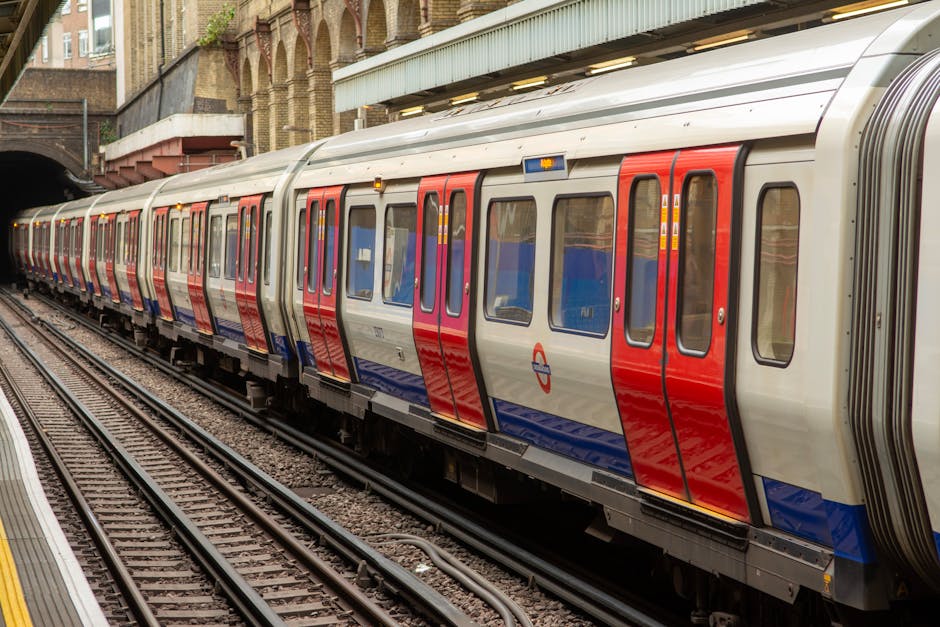
Gardeners near Earls Court station quick booking for flats
If you live in a flat near Earls Court station, you already know the small outdoor spaces can be the trickiest to keep tidy. A balcony that gathers leaves, a shared courtyard that never quite looks finished, a tiny front garden that gets overgrown faster than you can deal with it - it all adds up. That is where Gardeners near Earls Court station quick booking for flats becomes genuinely useful. You want someone nearby, responsive, practical, and able to work around apartment access, building rules, and busy London schedules without making the whole thing feel like a project in itself.
This guide walks through how fast booking works, what services are most useful for flats, what to check before you hire, and how to avoid the usual headaches. You will also find a simple checklist, a comparison table, and a realistic example of what a good booking experience looks like. Nothing fluffy. Just the stuff that helps you make a sensible decision.
Table of Contents
- Why it matters for flats near Earls Court station
- How the quick booking process works
- Key benefits and practical advantages
- Who this is for and when it makes sense
- Step-by-step guidance
- Expert tips for better results
- Common mistakes to avoid
- Tools, resources and recommendations
- Law, compliance, standards or best practice
- Options, methods, or comparison table
- Case study or real-world example
- Practical checklist
- Conclusion
- Frequently Asked Questions
Why Gardeners near Earls Court station quick booking for flats Matters
Flat living changes the whole shape of garden care. You are rarely dealing with a big private lawn and a garden gate that opens onto a driveway. More often, it is a compact courtyard, a communal planter area, a roof terrace, or a strip of planting that sits between railings and bins. These spaces still need regular care, but the access is tighter, the timing matters more, and the consequences of delay show up quickly.
Near Earls Court station, the pace of life tends to be brisk. People are moving in and out, letting agents are arranging viewings, residents are juggling work and travel, and landlords often want outdoor areas to look neat between tenancies. A gardener who can be booked quickly is not just convenient. It can stop a small maintenance issue becoming a bigger one. Fallen leaves can block drains. Untrimmed hedges can make a small outdoor area feel cramped. A neglected planter can start to look shabby very fast, and in a flat setting, that affects the whole impression of the property.
There is also a practical truth that anyone in London knows well: a job that takes five minutes to think about still needs someone who can show up at the right time with the right kit. Quick booking matters because apartment schedules are not forgiving. You may need a morning slot before work, an off-peak visit to avoid disturbing neighbours, or a same-week appointment because a tenant is moving out. That flexibility is often the difference between getting the job done and just meaning to do it.
Expert summary: For flats near Earls Court station, the best gardening service is usually the one that responds clearly, understands access limits, and can turn a small booking request into a tidy result without fuss.
How Gardeners near Earls Court station quick booking for flats Works
Quick booking is usually simple, but the best versions of it are well organised behind the scenes. You contact the gardener, explain the flat type and the outdoor area, share the basic job details, and agree a time window. That sounds straightforward. It should be straightforward. The trouble starts when the property details are vague or the access arrangements are forgotten.
In a flat environment, the initial booking should answer a few practical questions:
- Is the space private, shared, or part of a managed building?
- Can tools be brought through the building, or is there side access?
- Do residents need notice before work begins?
- Are there restrictions on noisy work at certain times?
- What exactly needs doing: mowing, trimming, clearance, or general maintenance?
When those points are clear, a gardener can estimate time more accurately and arrive prepared. For example, a balcony planter refresh might need light pruning and waste removal, while a small communal garden could require a bit of everything: edging, lawn mowing, hedge trimming, and some garden clearance. Not every job needs a long site visit. Sometimes a quick assessment, a focused task list, and the right tools is enough.
If you want to compare service scope before you book, it helps to look at the wider services overview first. If the job is more maintenance-led, the garden maintenance page is a sensible starting point. For more specific tasks, there are dedicated pages for lawn mowing, hedge trimming, and garden clearance.
Key Benefits and Practical Advantages
The biggest benefit is obvious: speed. But there are a few less obvious advantages that matter just as much for flat owners and landlords.
- Less disruption: A local gardener can often work around building routines and shorter access windows.
- Better presentation: Flats with neat outdoor areas feel more cared for, which matters for residents, guests, and viewings.
- Safer shared spaces: Overgrowth, wet debris, and blocked paths can become trip hazards. Quick attention helps.
- Lower stress: You do not need to coordinate a complicated long lead-time booking for a modest job.
- More suitable scheduling: Early morning, midweek, or between tenancies are all easier when the service is local and responsive.
There is also a maintenance benefit that people underestimate. Small outdoor areas change quickly in the city. A planter can go from presentable to untidy in a couple of weeks during mild weather. If you leave things too long, the task stops being a tidy-up and starts becoming a reset. That is where quick booking saves time and, often, money.
And let's be honest, nobody wants to spend a Saturday morning hacking back ivy with a plastic bag and a pair of old gloves. There are better uses of your day.
Who This Is For and When It Makes Sense
This service is a strong fit for people who need practical help, quickly, and without a lot of back-and-forth. If that sounds like you, you are probably in the right place.
Ideal for:
- Flat owners with balconies, terraces, or small private gardens
- Letting agents preparing a property for new tenants
- Landlords who need outdoor areas maintained between occupancies
- Residents in managed buildings with shared planting or courtyards
- Block managers looking for tidy, regular upkeep
- People who simply do not have the time, tools, or energy to do it themselves
It also makes sense if you only need occasional support rather than a standing arrangement. A quick booking can be enough for a one-off visit after a windy spell, a pre-inspection tidy, or a seasonal refresh in spring or autumn. You do not always need a major landscaping plan. Sometimes the right answer is just a neat, well-timed visit.
If the outdoor area is more design-led, or if the flat garden has become something bigger over time, it may be worth exploring landscape gardening or broader landscaping options. For terrace structures or raised surfaces that need attention alongside planting, decking services may also be relevant.
Step-by-Step Guidance
Booking quickly does not mean booking carelessly. A bit of structure makes the whole process smoother, especially in a flat environment where access and timing matter.
- Describe the space clearly. Say whether it is a balcony, roof terrace, courtyard, shared garden, or a small private patch.
- List the tasks. Be specific. "Tidy up" is not enough on its own. Mention mowing, trimming, clearing, pruning, weeding, or waste removal.
- Share access details. Let the gardener know about entry codes, concierge arrangements, lift access, parking limits, or restricted hours.
- Confirm what needs to be taken away. Green waste can build up fast in flats. Check whether collection is included.
- Ask about timing. If the work needs to happen before a viewing, inspection, or tenant handover, say so early.
- Request the next available slot. A good local service should be able to tell you what is realistically possible, not just promise everything.
- Check the quote format. Make sure you know whether it is a fixed price, a range, or an hourly visit.
- Prepare the area before arrival. Move fragile items, close windows if needed, and make sure the path in is clear.
That last one sounds minor, but it saves time. A gardener turning up to a balcony with chairs, toys, washing, and a full recycling bag in the way is not a perfect start. A two-minute clear-up can make the appointment feel smooth from the first minute.
If you want the pricing side explained in a more practical way, have a look at pricing and quotes. If you are the sort of person who likes to know how payments are handled before committing, the payment and security page is also useful.
Expert Tips for Better Results
Small spaces reward precision. That is the real trick. A few good habits make flat garden work look better and last longer.
- Book before the space looks desperate. It is easier to maintain than to rescue.
- Ask for photos if you cannot be on site. This helps the gardener judge scale and access.
- Prioritise edging and waste removal. These details often make the biggest visual difference.
- Use a seasonal rhythm. Early spring, midsummer, and autumn are especially useful times for light upkeep.
- Keep communal expectations in mind. In shared buildings, a tidy finish matters as much as the task itself.
A small but useful tip: if your flat has a planter bed or a narrow boundary strip near a pathway, ask for those edges to be cleaned up first. It makes the whole area feel sharper, even if the rest of the job is very simple. Odd, maybe, but true.
For ongoing upkeep, combining general visits with specific tasks often works best. That might mean routine lawn mowing when the grass is active, then a separate trim for fast-growing hedges, then a larger clearance visit when things have got away from you. Not everything should be bundled into one generic service.
Common Mistakes to Avoid
Most problems with fast bookings come from unclear expectations rather than bad workmanship. A few mistakes pop up again and again.
- Being too vague about the job. "Garden help" can mean almost anything.
- Forgetting access restrictions. In a flat, this is a big one.
- Assuming waste removal is included. Always confirm.
- Booking too late for an inspection or move-out. Rushed jobs tend to cost more in time and stress.
- Ignoring the difference between maintenance and clearance. They are not the same thing.
- Choosing the cheapest option without checking what is actually included. Cheap can be fine. Cheap and vague is where trouble starts.
Another subtle mistake is overcommitting the gardener to a job that needs more than one visit. If a flat garden has been neglected for months, the first visit may be about restoring order, not perfecting every last detail. That is normal. Better to be realistic from the start than disappointed later.
Practical note: If the job sounds bigger than it first appeared, ask for a breakdown rather than a one-line estimate. Clarity beats guesswork every time.
Tools, Resources and Recommendations
You do not need a shed full of equipment to manage flat outdoor spaces well, but the right tools and service choices make a difference. For most apartment settings, the gardener's kit will depend on the job, yet a few categories are especially common:
- Hand tools for pruning and light shaping
- Compact cutting tools for hedge work
- Collection bags or containers for green waste
- Lightweight mowing equipment where grass is present
- Brushing and tidy-up tools for patios, terraces, or paving
From a customer point of view, the best "resource" is often a clear service description. If you are trying to decide what you need, it helps to look at related services rather than forcing the job into one label. For instance, a small overgrown courtyard might need garden clearance first, then follow-up garden maintenance. A neglected hedge line may call for hedge trimming before anything else.
If you are managing a larger outdoor area attached to a flat block or converted building, it is worth scanning services overview and then narrowing down from there. That saves a lot of unnecessary back-and-forth.
One more thing: if you care about how green waste is handled, you may want to ask about disposal and responsible recycling. For a service that treats waste handling as part of the job rather than an afterthought, see recycling and sustainability.
Law, Compliance, Standards, or Best Practice
For flat gardening work, compliance is usually less about dramatic legal complexity and more about doing things properly. That means being careful around access, noise, waste, and safety. In managed buildings, there may be building rules about working hours, service lift use, or where tools and waste can pass through. Those are not optional in practice, even if they are not front-of-mind when you first book.
Good practice also means making sure the service is insured, operates safely, and treats risk sensibly. That is especially relevant if any work involves ladders, sharp tools, awkward access, or cutting back overgrown material near windows and railings. If you are comparing providers, it is reasonable to ask how they approach these basics. A trustworthy operator should not be put out by the question. In fact, they should welcome it.
It is also sensible to check terms before confirming a booking, particularly if the job is time-sensitive or being arranged for a managed property. The terms and conditions page can help set expectations, while insurance and safety gives a useful sense of how the service approaches risk. If you want to understand how a company handles operational commitments more broadly, the about us page is also worth reading.
For accessibility concerns, especially in buildings with limited lift space or awkward route access, a service that has thought about practical inclusion matters a lot. If you need that reassurance, the accessibility statement is a sensible page to review. And if something ever goes wrong, there should be a clear route for raising it; the complaints procedure is there for exactly that reason.
Options, Methods, or Comparison Table
Not every flat needs the same type of gardening support. The right choice depends on the scale of the space, how visible it is, and how quickly it needs attention.
| Option | Best for | Typical strengths | Watch out for |
|---|---|---|---|
| One-off quick booking | Small urgent jobs, move-outs, pre-viewing tidies | Fast, flexible, easy to arrange | May not suit ongoing problems |
| Routine maintenance visit | Balconies, courtyards, small gardens that stay in use | Consistent appearance, fewer surprises | Needs a regular schedule |
| Clearance-focused visit | Overgrown or neglected spaces | Big visual improvement quickly | Not the same as fine-detail upkeep |
| Broader landscaping support | Redesign, refresh, layout changes | Better if the space needs more than tidying | Usually more planning involved |
Here is the simple rule: if the job is mainly about making the space neat and usable fast, a quick booking is usually enough. If the space has deeper issues - poor layout, tired planting, broken surfaces, or no clear design - then broader landscaping may be the smarter long-term choice. The wrong method can leave you paying twice. Nobody wants that.
Case Study or Real-World Example
Picture a small flat near Earls Court station with a narrow rear courtyard. Nothing extravagant. A few pots, some patchy grass, a hedge line that has started to lean into the path, and a bit of old leaf litter tucked into the corners. The resident has a viewing in three days and wants the place to feel calm and well kept, not cramped.
They make a quick enquiry, explain the access route through the building, mention that waste needs removing, and ask for the soonest slot. The gardener arrives with the right tools, trims back the hedge, clears the debris, tidies the grass edge, and resets the space so it looks intentional again. No redesign. No drama. Just a clean result.
What made the difference? Three things: clear communication, realistic scope, and a service that understood flat access from the start. To be fair, that is usually what people want most. Not magic. Just a proper job done on time.
That same approach works for other small-lot settings too, including periodic tree lopping and removal where overgrowth has become a safety or light issue, though larger jobs will naturally need more planning and care.
Practical Checklist
Before you book, run through this quick checklist. It keeps things neat and avoids awkward surprises on the day.
- Have you described the exact outdoor space?
- Do you know whether it is private or shared?
- Have you listed the tasks clearly?
- Did you mention access codes, concierge rules, or lift restrictions?
- Is waste removal needed?
- Do you have a deadline, such as a viewing or check-out?
- Have you asked whether the quote is fixed or estimate-based?
- Are there any building quiet-hour restrictions?
- Have fragile items been moved out of the way?
- Do you know what happens if the job takes longer than expected?
Quick takeaway: the cleaner your brief, the better the result. Simple as that.
Conclusion
For flats near Earls Court station, quick gardening booking is less about luxury and more about keeping life manageable. Small spaces can look tired quickly, but they can also look excellent with the right attention. A well-timed visit, a clear brief, and a local team that understands the realities of apartment access can save you time, stress, and a fair bit of effort.
If you are weighing up whether to book now or leave it until later, truth be told, later often becomes harder. The good news is that a small, focused visit is often all you need to reset the space and get on with your week. One tidy courtyard, one cleaner terrace, one less thing hanging over you. That counts for a lot.
Get a free quote today and see how much you can save.
When you are ready, choose the option that fits your flat, your timing, and your peace of mind. A good outdoor space should feel easy to live with, not like another item on the to-do list.
Frequently Asked Questions
How fast can I book a gardener near Earls Court station for a flat?
Quick booking usually depends on the service's schedule, the size of the job, and how clear your access details are. If you provide a simple brief and flexible timing, it is often easier to secure a prompt slot.
What type of flat garden work is usually quickest to arrange?
Light maintenance, hedge trimming, lawn mowing, and small garden clearance jobs are often the easiest to book quickly. Bigger redesigns or heavy clearance work usually need more planning.
Do I need to be at the property during the visit?
Not always, but it helps if the gardener needs access instructions or if the outdoor area is inside a managed building. For many flat jobs, clear entry details are enough.
Can gardeners work in shared courtyards or communal gardens?
Yes, provided the building or managing agent allows it and the access arrangements are clear. In shared spaces, it is especially important to confirm timing, noise, and waste removal.
What should I tell the gardener before booking?
Tell them the type of space, what needs doing, how they can get in, and whether there are any building restrictions. The more specific you are, the smoother the visit tends to be.
Is a quick booking suitable for overgrown flat gardens?
It can be, but heavily overgrown spaces may need clearance first rather than routine maintenance. If in doubt, describe the space honestly and ask what level of visit is realistic.
Do gardeners near Earls Court station handle waste removal?
Many services can, but you should always confirm it in advance. Waste handling matters in flat settings because there may be limited storage, disposal, or access for bags and debris.
How do I compare quotes for flat gardening work?
Compare what is included, not just the headline price. Look at access assumptions, waste removal, time on site, and whether the quote is fixed or estimated.
What if I only need a one-off tidy before a viewing?
That is a very common reason to book. A one-off tidy can make a flat look brighter, neater, and more welcoming without committing to regular visits.
Should I choose maintenance or clearance for my flat garden?
If the space is generally in good shape and just needs regular care, choose maintenance. If it is cluttered, neglected, or overgrown, clearance is usually the better first step.
Are there safety or insurance checks I should ask about?
Yes. It is sensible to ask how the service handles safety, equipment, and liability. For flat work, especially in shared buildings, that reassurance matters more than people sometimes realise.
Where can I read more about the company before booking?
You can review the service pages, the company's background, and the booking or policy pages to get a fuller picture before you decide. That is often the simplest way to build confidence without overcomplicating things.